This article is for informational purposes only and does not constitute financial or investment advice. Watch values can fall as well as rise, and past performance is not a reliable indicator of future results. Readers considering watches as part of an investment strategy should seek independent financial advice.
The May 2026 auction season in Geneva produced the largest numbers in the history of watch collecting, and the strangest context for them. Phillips hammered its way to the highest-grossing watch auction ever staged while the broad secondary market index barely registered the week at all. Anyone trying to read the Geneva watch auctions as a verdict on their own collection needs to understand both halves of that sentence.
The gap between those halves is the real story of 2026. Record trophies and a flat market are not a contradiction; they are a description of a market that has split in 2, and each half now obeys its own rules.
What follows sets out what actually sold, at what level, and what the results do and do not imply for UK collectors deciding what to buy, hold or sell in the second half of the year.
What Happened at the 2026 Geneva Watch Auctions
The May 2026 Geneva season set records at every house. Phillips took CHF 74.85 million, around $96.3 million, the highest-grossing watch auction on record, selling 224 of 225 lots and setting 43 world records. Christie's added $42.3 million, a house record for a various-owner watch sale, and Sotheby's set a record for A. Lange & Söhne.
Combined with its online session, Phillips also delivered the first season above $100 million for a single auction house. Whatever else the results mean, participation at the top of the market was not the problem; nearly every lot offered found a buyer, and the failures were rare enough to be named individually.
Fun fact: Phillips sold 224 of the 225 lots it offered across the May 2026 Geneva weekend, and a 19th century pocket chronometer by Louis Richard reached $5.1 million, outselling all but a handful of the wristwatches in the room.
The Records Behind the Headline Number
The top lot rewarded exactly what auction theory says it should: rarity with provenance. A Patek Philippe reference 2523 world timer, the South America example, reached $10.2 million and set a record for the reference. The 2523 is a mid-century watch that exists in a handful of examples, and its price says precisely nothing about what a modern Patek Philippe in a dealer's window is worth; it is a different asset wearing the same brand name.
The season's structural signal came from the independents. An F.P. Journe Résonance Souscription, number 18, reached around $6.3 million, and 6 of the 9 Journe lots offered set world records. Akrivia's AK-06 made $3.9 million for a living independent watchmaker's work. Collector money is concentrating on scarce, hand-made, founder-era pieces, and the auction room is where that concentration is most visible.
What Christie's and Sotheby's Added to the Picture
The supporting results confirm the pattern rather than complicating it. Christie's $42.3 million sale was led by pieces with strong design provenance, including a Cartier London Crash at $2 million, a watch whose value lives in its 1960s London workshop origins rather than in any movement specification. Sotheby's headline was older still: a Grande Complication from 1916 became the most expensive A. Lange & Söhne sold at auction, at $2.06 million.
Read the 3 sales together and the buying profile is consistent. Age, rarity, originality and story carried the season across every house and every price tier that made news. Modern production references, the watches most readers actually own, were not what the record money was chasing, and no amount of headline glow transfers between the 2 categories.
The Index That Refused to Move
Here is the other half of the sentence, and it deserves equal billing rather than a footnote. While the auction rooms set records, the WatchCharts overall market index moved 0.1% in May, and the ChronoPulse index had dipped 0.4% in April. The first quarter of 2026 showed the broad market up 1.9%, a fifth consecutive quarter of modest growth, with Tudor's Submariner line the standout collection at +6.3%. Steady, unspectacular, and utterly unlike the headlines from Geneva.
The temptation in market writing is to resolve that tension by picking the flattering half. The data does not permit it. Both things are true at once, and the honest report is the tension itself.
The technical name for this shape is a K-shaped market. Trophy assets at the top appreciate on scarcity and provenance while the ordinary middle trades sideways, and the 2 segments respond to different forces: the top to collector wealth and rarity, the middle to supply, retail pricing and fashion. An auction record tells you about the top of the K. It tells you almost nothing about the branch your watch is probably on.
What Sold Tells You Less Than How It Sold
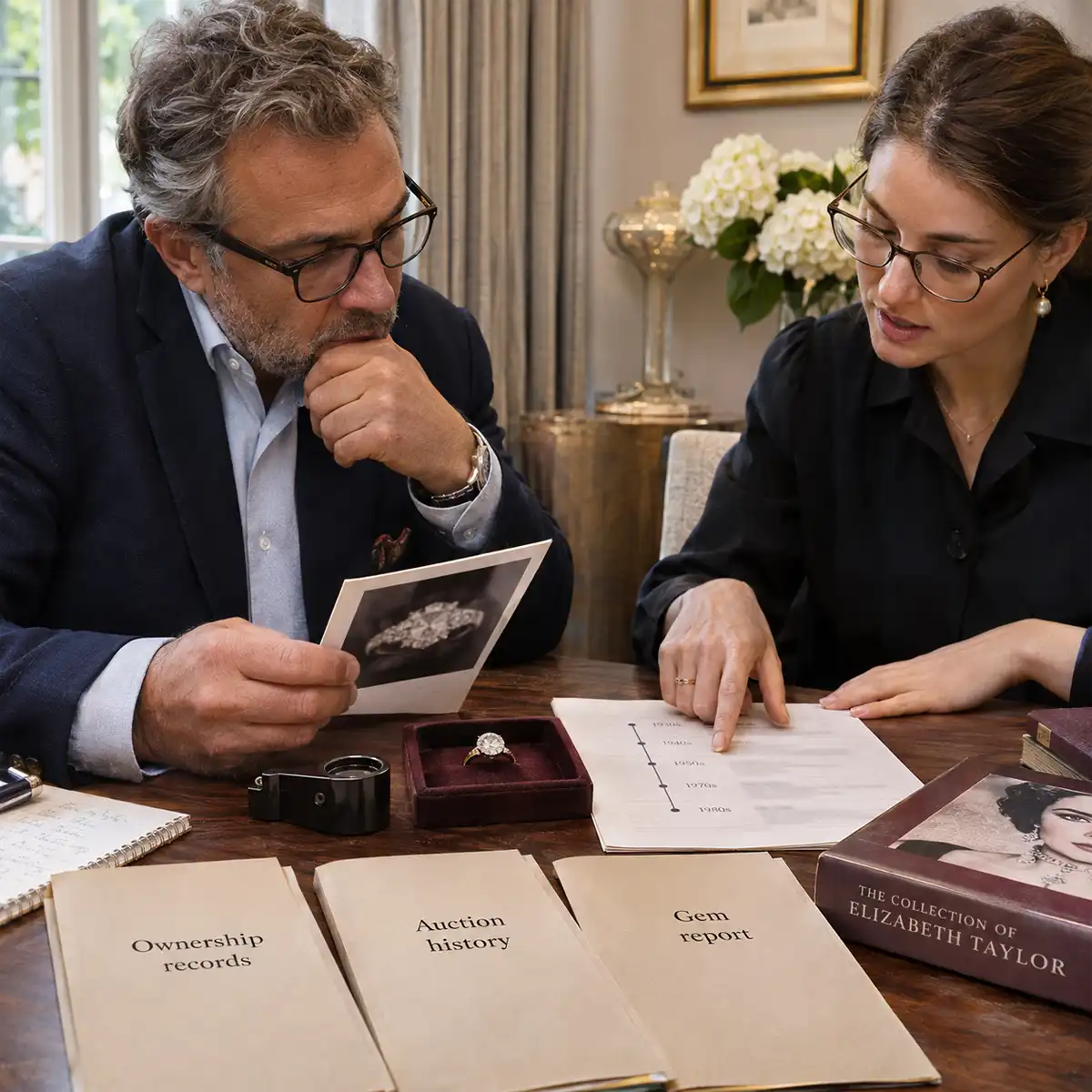
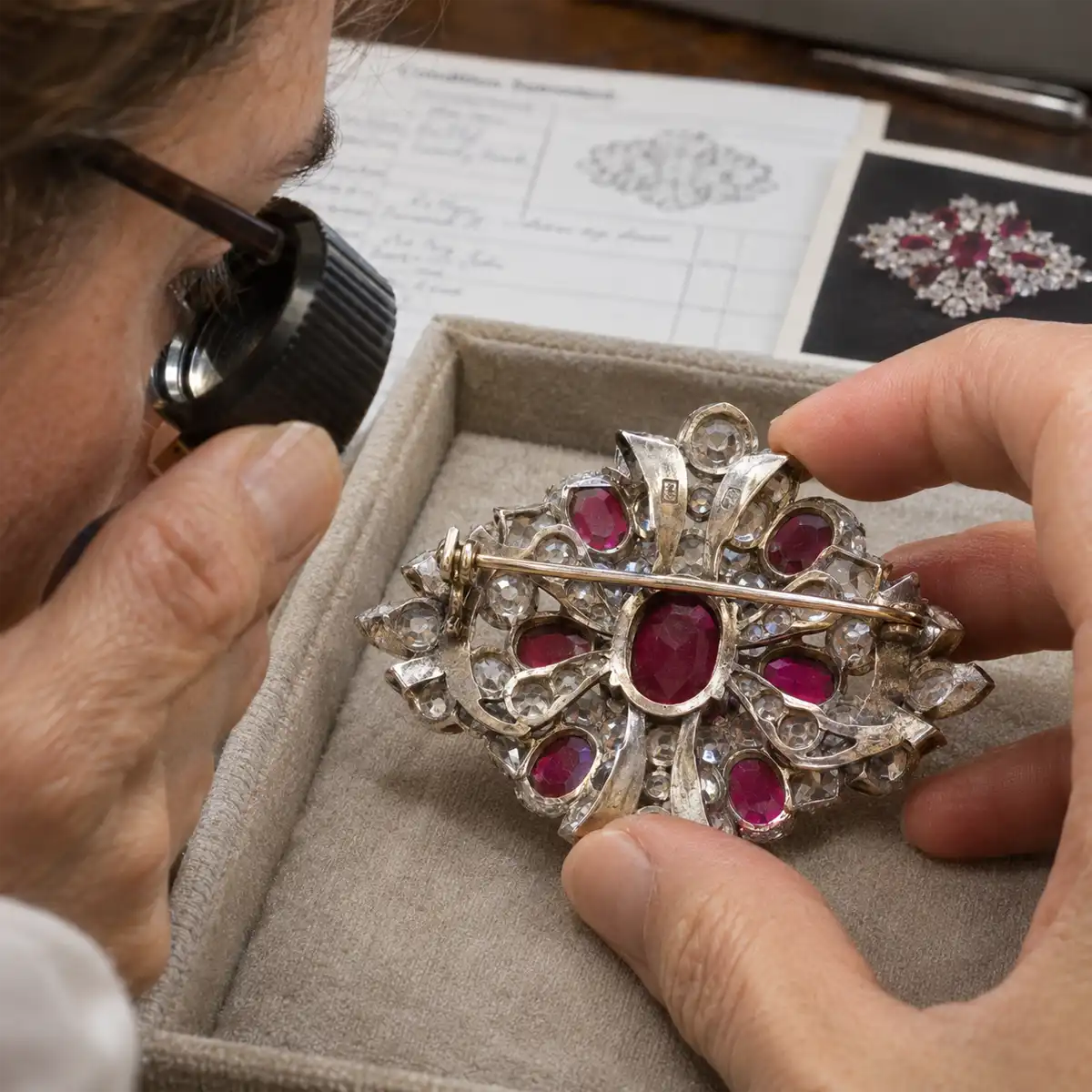
Method matters as much as results, because the mechanics of an auction shape its prices. The lots that reached records arrived with fresh-to-market status, single-family provenance or documented histories, the attributes the catalogues lead with because they are what bidders pay premiums for. A watch identical on paper but shopped around dealers for a year would not have made the same money, and every serious collector in the room knew it.
That is the quiet lesson for owners far below trophy level. The market pays for verifiable history at every price point, in miniature at £5,000 exactly as it does in millions at Phillips. Papers, service records and unpolished cases are the retail collector's version of provenance, and 2026's most expensive weekend was, underneath the numbers, a seminar on documentation.
What This Means for Which Watches Hold Value
The season sharpens a distinction this site returns to constantly: holding value and appreciating are different behaviours, and the auction results illustrate both. Watches like the 2523 or a Souscription Journe appreciate because supply is fixed at a handful of examples and demand is global. Well-chosen ordinary references, the theme of our analysis of which watches hold value, mostly hold value in the sense of staying liquid and desirable, and the flat index is what holding value looks like in aggregate.
The honest caveats belong in the same paragraph as the excitement. Concentration in the independents is a genuine trend and a genuine risk, because taste-driven markets narrow as quickly as they widen, and 6 records in 1 evening tells you about that evening's 2 or 3 underbidders as much as about the world.
At retail level, 2026's most instructive event was not in an auction room at all. The April Pepsi discontinuation repriced a production Rolex within weeks, and shows how supply decisions, not auction glamour, move the watches ordinary buyers actually own.
Where the Season Leaves the Big Houses
The auction results also redraw the map among makers, which matters to buyers weighing brand strength. Patek Philippe supplied the season's peak and remains the reference point for top-of-market value, but the momentum story belonged to names most retail buyers have never handled: Journe above all, Akrivia close behind, and a 19th century chronometer maker outselling nearly everything modern. Heritage in the literal sense, age and documented origin, outperformed heritage in the marketing sense.
For the great modern houses, the reading is neither bullish nor alarming. Their ordinary production lives on the flat branch of the K with everyone else's, their rarest historical pieces live on the rising branch, and the season paid for the difference between the 2 with unusual clarity.
How Private Collectors Should Read Auction Results
Treat hammer prices as data with a health warning attached. A public auction result includes buyer's premium and fees on top of the hammer, reflects a night of competitive theatre between a small number of bidders, and is published precisely because it flatters; the lots that disappoint quietly teach nobody anything. Survivorship bias is the auction market's native language, and the collector who prices their own watch off a record result is negotiating against themselves.
The practical uses are narrower and better. Auction seasons tell you where collector taste is moving, which makers and eras are gaining institutional attention, and what documented provenance adds to otherwise similar watches. Those are useful inputs for a buyer choosing between references, and poor inputs for anyone deciding whether watches beat an index fund, a question this site does not answer and the disclaimer above exists for.
The Honest Takeaway from Geneva
The record 2026 Geneva watch auctions mean exactly what the 2 datasets say together. The top of the market is historically strong, concentrated in rare, storied and independent watchmaking, and the broad market underneath it is calm to the point of stillness.
For UK collectors, the practical conclusions are modest. Buy ordinary references for ownership and liquidity rather than appreciation, treat independent-watchmaking enthusiasm as real but narrow, keep documentation immaculate because provenance is what the season actually paid for, and read the next set of record headlines with this May in mind. The room and the market are not the same place, and knowing which one your watch lives in is the most useful thing Geneva taught this year.