Here is the scenario that fills insurance forums every month. A watch worth £8,000 disappears, the owner calls their home insurer in complete confidence, and the settlement offer comes back at £2,000, because that was the policy's single item limit and the watch was never specified. Watch insurance in the UK is not complicated, but it punishes assumptions, and the assumption that a contents policy quietly covers a luxury watch is the most expensive one a collector can make.
This piece covers what cover actually exists, what it costs in the 2026 market, how valuation works, and the point at which specialist cover beats the household policy. Nothing here is a substitute for reading your own policy wording, which remains the cheapest insurance advice ever written.
The timing matters more than usual in 2026. Secondary market moves, including the repricing that followed April's Rolex Pepsi discontinuation, have left thousands of UK owners insured against valuations that no longer resemble what their watches would cost to replace.
What Watch Insurance Actually Covers in the UK
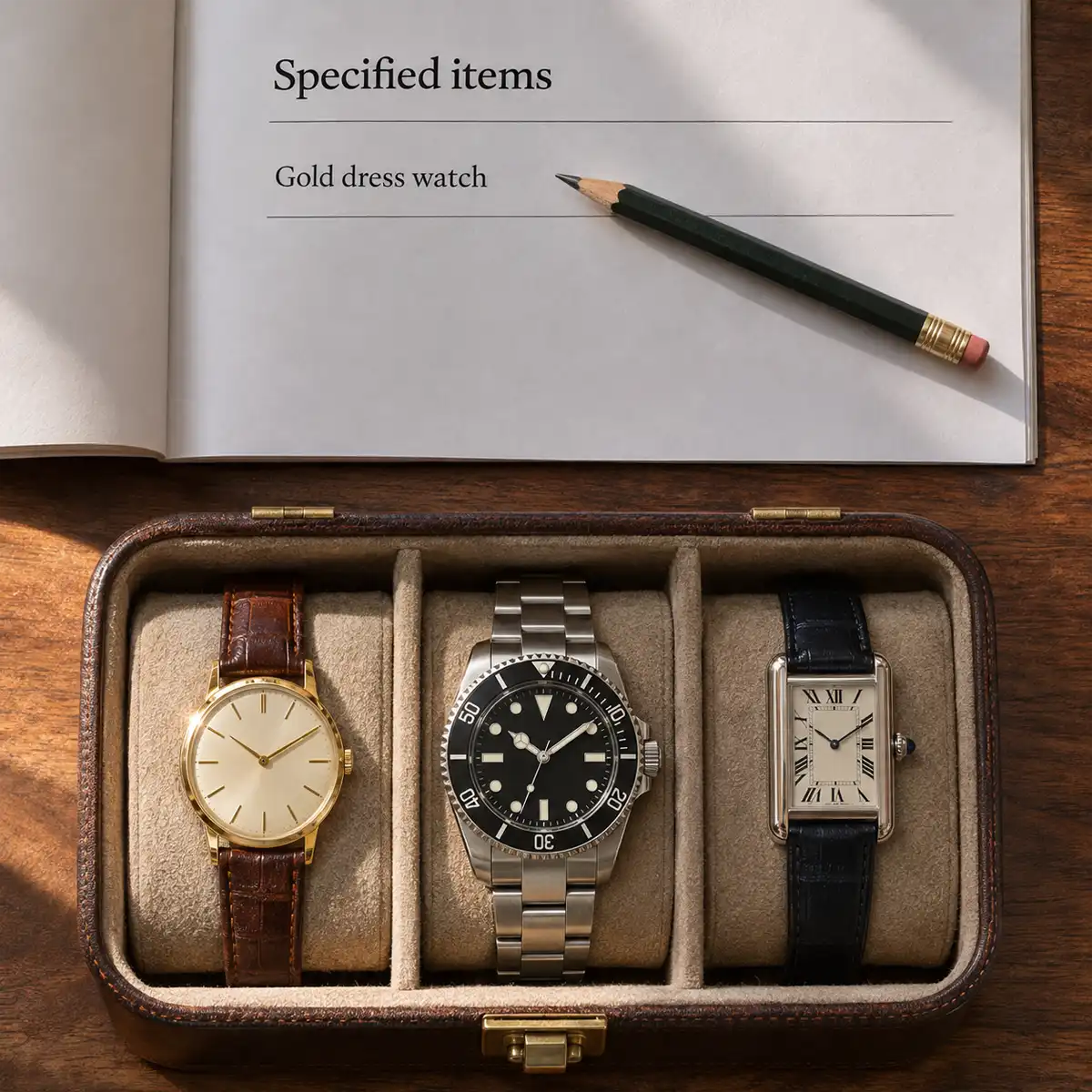
Watch insurance in the UK takes 2 main forms. A home contents policy covers watches up to its single item limit, typically £1,500 to £2,500, with higher-value pieces needing to be specified individually. Standalone specialist policies insure the watch itself, usually with worldwide cover, agreed values and accidental damage included.
Neither form covers everything, and the exclusions are where claims die. Contents policies pay out on defined events such as theft, fire and flood, and most insurers expect evidence of forced entry on a theft claim from the home. Gradual wear, mechanical failure and simple misplacement generally sit outside both forms unless the policy says otherwise in writing, which is why reading the wording beats trusting the category.
Why Your Home Contents Policy Probably Falls Short
The single item limit is the first trap, and it is not the only one. Most standard UK policies also apply an inner limit to valuables as a class, often capping jewellery and watches together at around 30% of the total contents sum insured, so even a correctly specified collection can breach the ceiling once it grows. A specified item usually costs an extra £5 to £20 per year to schedule, which makes failing to declare a watch one of the worst value decisions in insurance.
Then come the situational gaps. Cover away from home is an add-on on most standard policies, typically £25 to £75 per year, and worldwide cover is patchier still, which matters for a watch that travels on your wrist rather than sitting in a drawer. Check all 3 clauses before assuming anything: the single item limit, the valuables inner limit, and the away-from-home terms.
Fun fact: Some UK specialist insurers do not insist on a home safe until jewellery and watch values reach around £100,000, roughly twice the threshold at which standard policies typically start demanding one.
How Much Watch Insurance Costs in the UK
The 2026 market prices watch cover in a fairly narrow band. Standalone specialist watch insurance generally runs at 0.6% to 1.5% of the insured value per year, with the widest quotes reaching 1 to 2%, and entry-level annual premiums starting around £109 with some providers. Adding the same watch as a specified item on a contents policy is cheaper, typically 0.3% to 0.6% of value, at the cost of narrower protection.
Translate that into real money and the decision gets easier. Insuring a £5,000 watch properly costs somewhere between £15 and £75 a year via a contents schedule, or roughly £30 to £75 on a specialist basis. Set against the cost of the loss it protects, watch insurance is one of the cheapest line items in luxury ownership, and collections often price better per watch than single pieces.
How to Value a Watch for Insurance
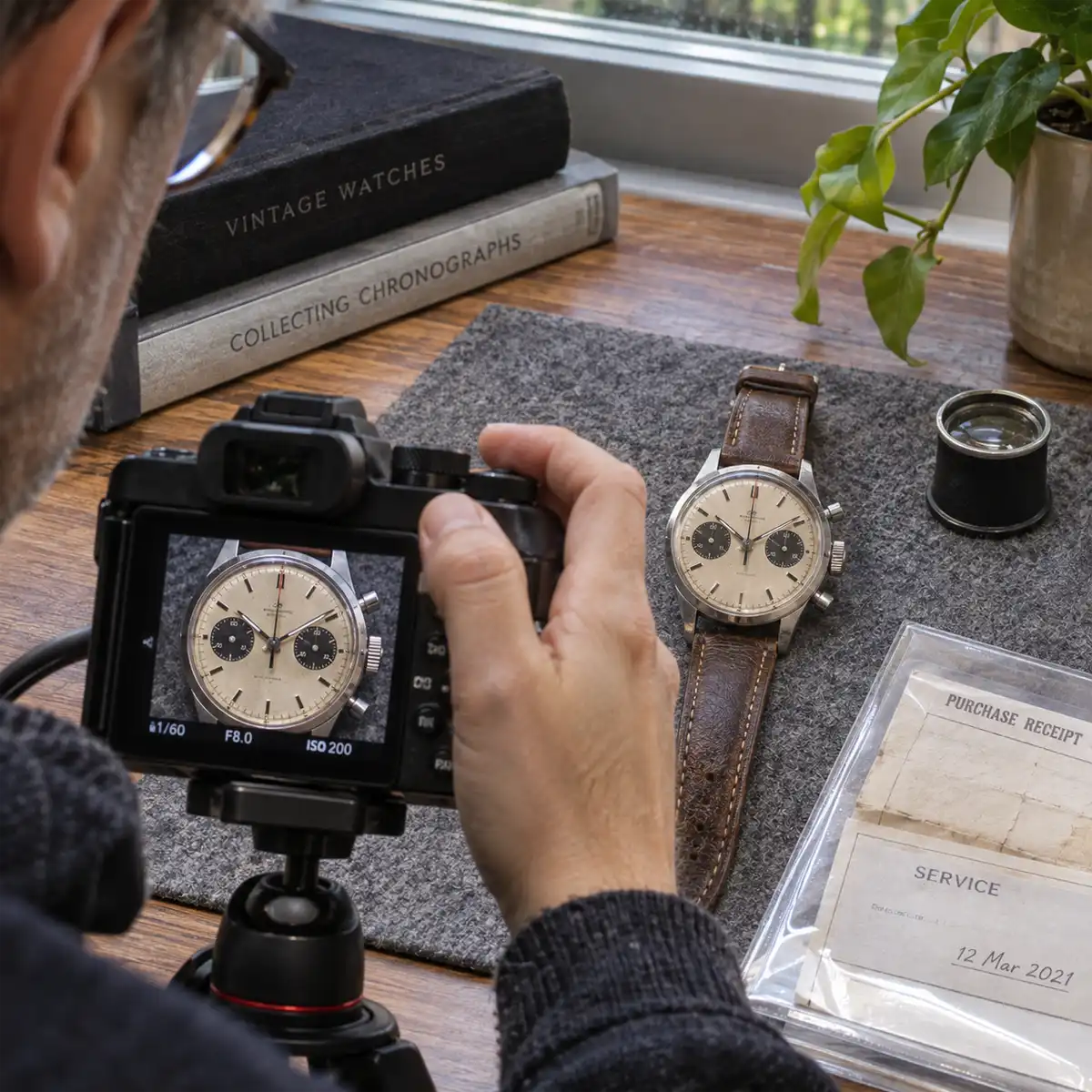
Insure the replacement cost, not the purchase price, and the difference between the 2 is where most underinsurance lives. A professional valuation from a jeweller or valuer registered with a recognised trade body gives you a certificate the insurer will accept at claim time; keep it with the receipt and photographs of the serial number and hallmarks. Revalue every 2 to 3 years, because the market moves and outdated paperwork settles claims at outdated prices.
The 2026 Pepsi episode is the working example. Owners whose valuations predate April are now documented thousands of pounds below replacement cost, and [INTERNAL LINK: Rolex Pepsi discontinued and what UK buyers do now | the Pepsi repricing and what it means for owners] explains how quickly a closed reference moves. Understand the settlement basis too. New-for-old suits current production watches; agreed value, where you and the insurer fix the figure in advance with evidence, is the right mechanism for discontinued and collectable pieces that no shop window can replace.
Choosing Between Specified Items and Specialist Cover
The honest decision framework runs on 3 questions. How much is the watch worth, how often does it leave the house, and could the high street replace it? A £2,000 daily wearer that rarely travels is well served as a specified item on a decent contents policy. A £15,000 discontinued reference that goes where you go wants specialist cover with agreed value, worldwide protection and accidental damage as standard.
Two practical details reward attention at purchase time. Some policies cover newly bought watches automatically for around 60 days, which is exactly the window in which to commission the valuation and add the piece to the schedule. And insurance is not a warranty: manufacturer guarantees, such as the 5-year cover Rolex and Omega attach to new watches, handle mechanical defects, while insurance handles the world outside the movement.
You need both working together. A pressure test whenever the case is opened protects the water-damage claim you hope never to make, and a documented service history strengthens every claim you do; our [INTERNAL LINK: watch servicing in the UK and what it costs | UK servicing costs and intervals] covers that side of ownership.
What Insurers Ask About Storage and Security
Expect underwriting questions about how the watch lives when you are not wearing it. Standard policies begin insisting on a safe once jewellery and watch values reach roughly £50,000, while specialist high value insurers often hold off until around £100,000, and the flexibility on locks, alarms and listed-building constraints is a genuine reason collector migrate to the specialist market as collections grow.
Answer the security questions accurately even when the honest answer raises the premium. A claim investigated against a misdescribed risk is a claim in danger, and no annual saving survives a voided policy. If a safe, a monitored alarm or a bank deposit arrangement is a condition of cover, treat it as part of the cost of the collection rather than an insurer's eccentricity.
The Route to a Properly Covered Watch
Getting watch insurance right takes an afternoon and 5 actions. Read your contents policy for the single item limit, the valuables inner limit and the away-from-home terms. Commission a professional valuation at replacement cost, photograph the watch, serial and papers, and specify anything above the limit, or move to specialist cover if the value, travel habits or rarity demand it.
Then keep it current. Diarise a revaluation every 2 to 3 years, sooner when the market moves the way it has in 2026, and after any purchase use the early cover window to complete the paperwork before the watch leaves the house on your wrist. The premium is small; the gap between insured and uninsured is the whole watch.