Luxury Watches: Expert Reviews, Collector Guides and UK Horology
Latest from the Journal
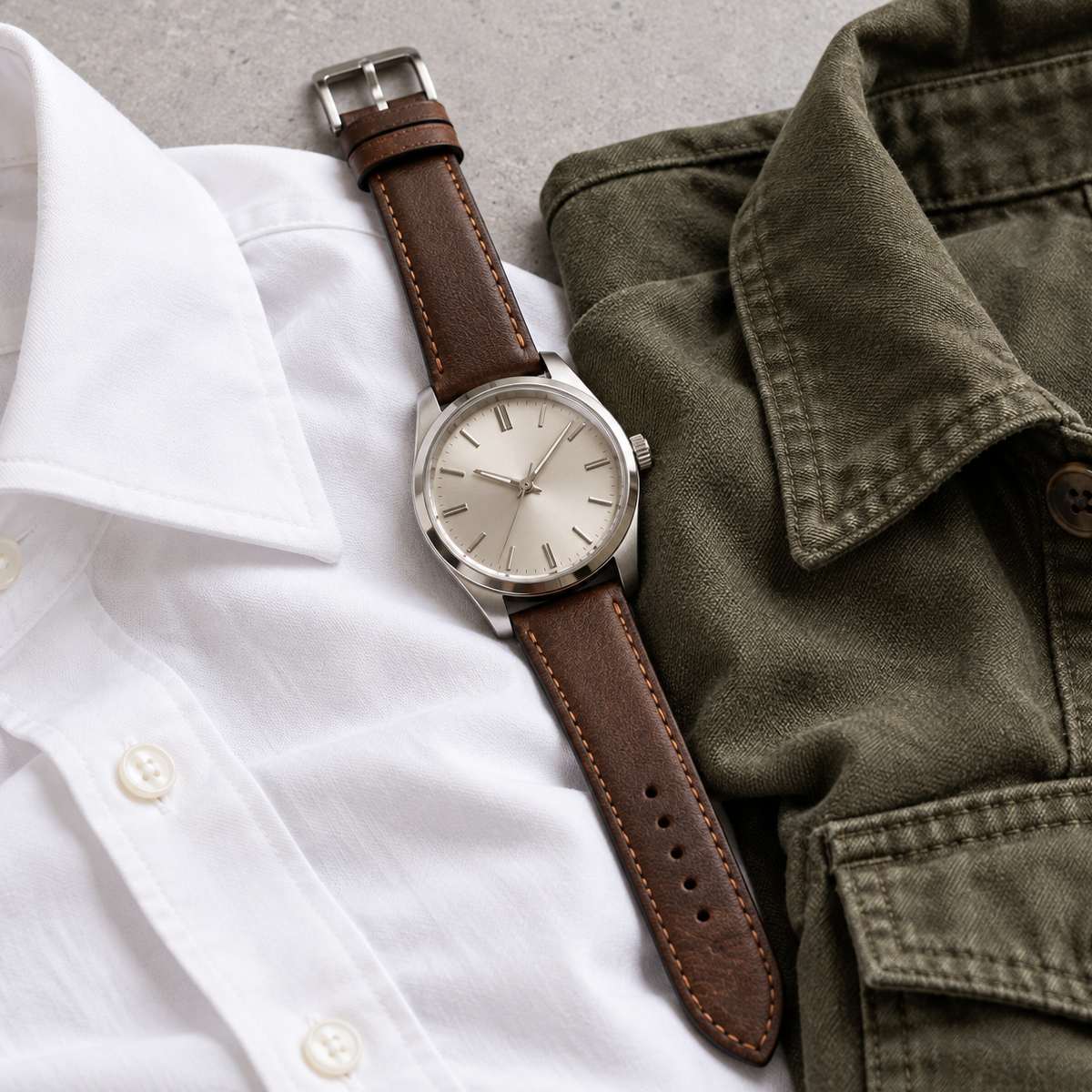
Luxury Watches
The Best Automatic Watches Under £2,000 for UK Buyers
The best automatic watches under £2,000 for UK buyers: six expert picks — from the Tissot PRX Powermatic 80 to the Nomos Club — chosen for how they wear daily.
Oliver Tennant|12 October 2026
Read Article
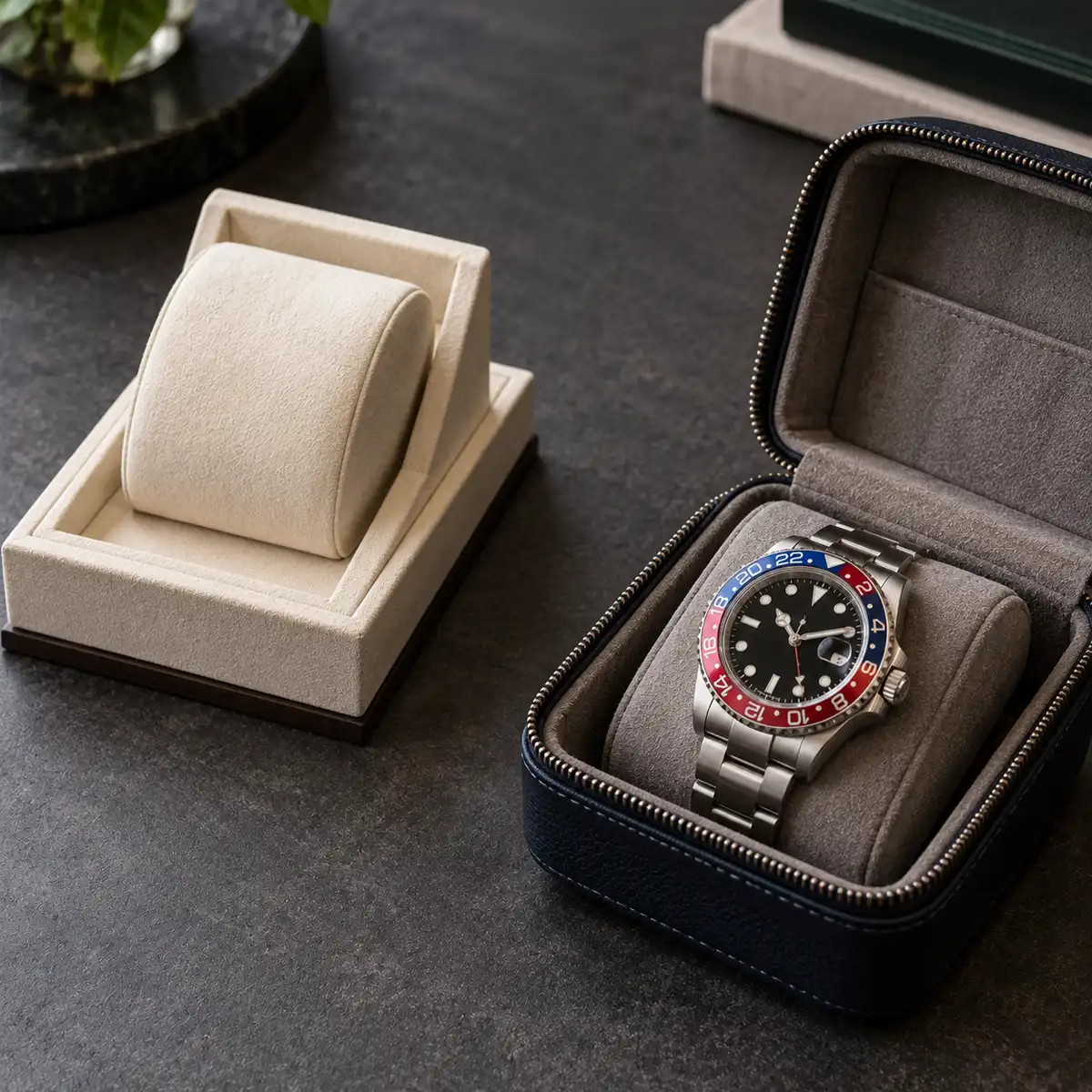
Rolex Watches
Rolex Pepsi Discontinued and What UK Buyers Do Now
Julian Hartmann·6 October 2026
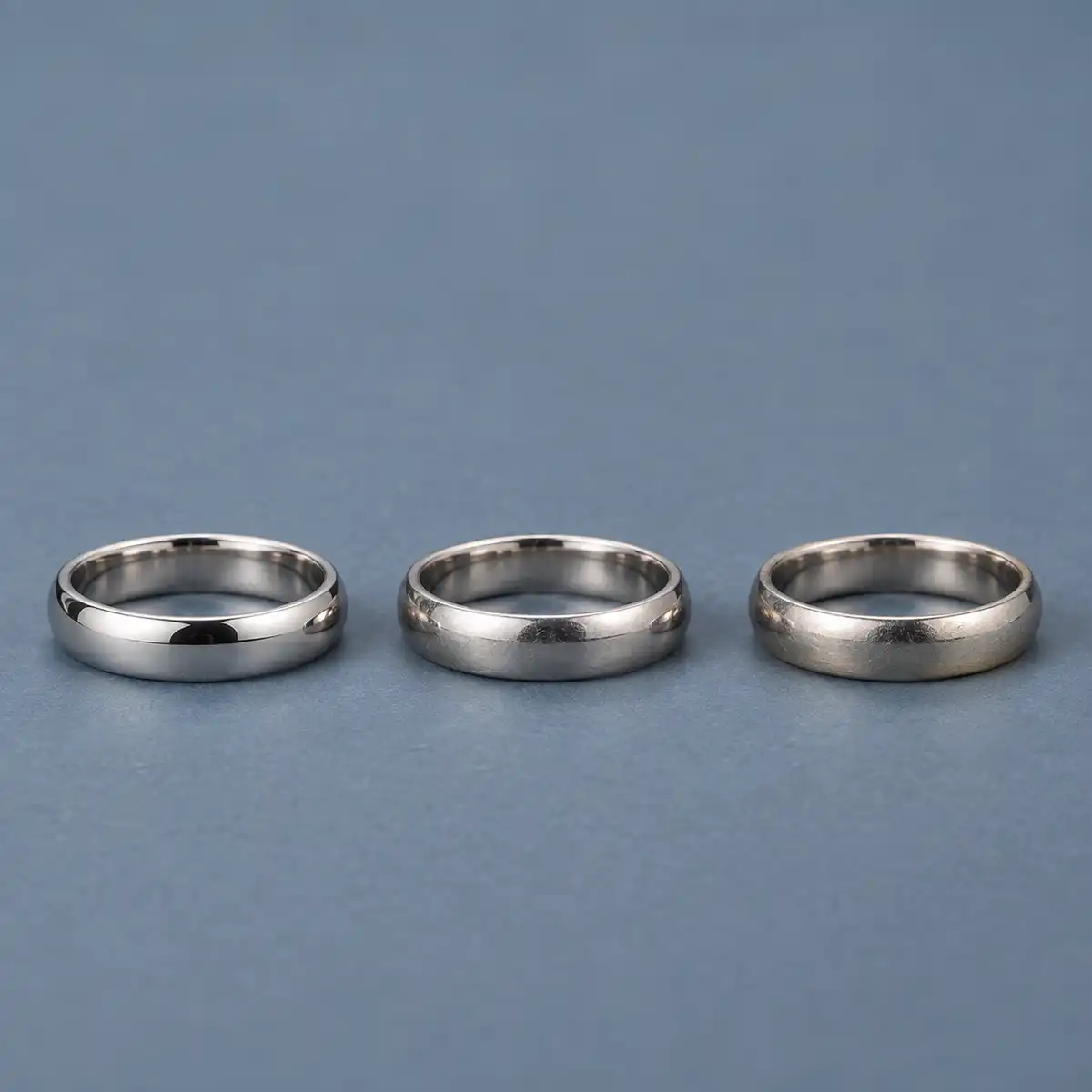
Fine Jewellery
Rhodium Plating on White Gold Rings and How Long It Really Lasts
Oliver Tennant·14 September 2026
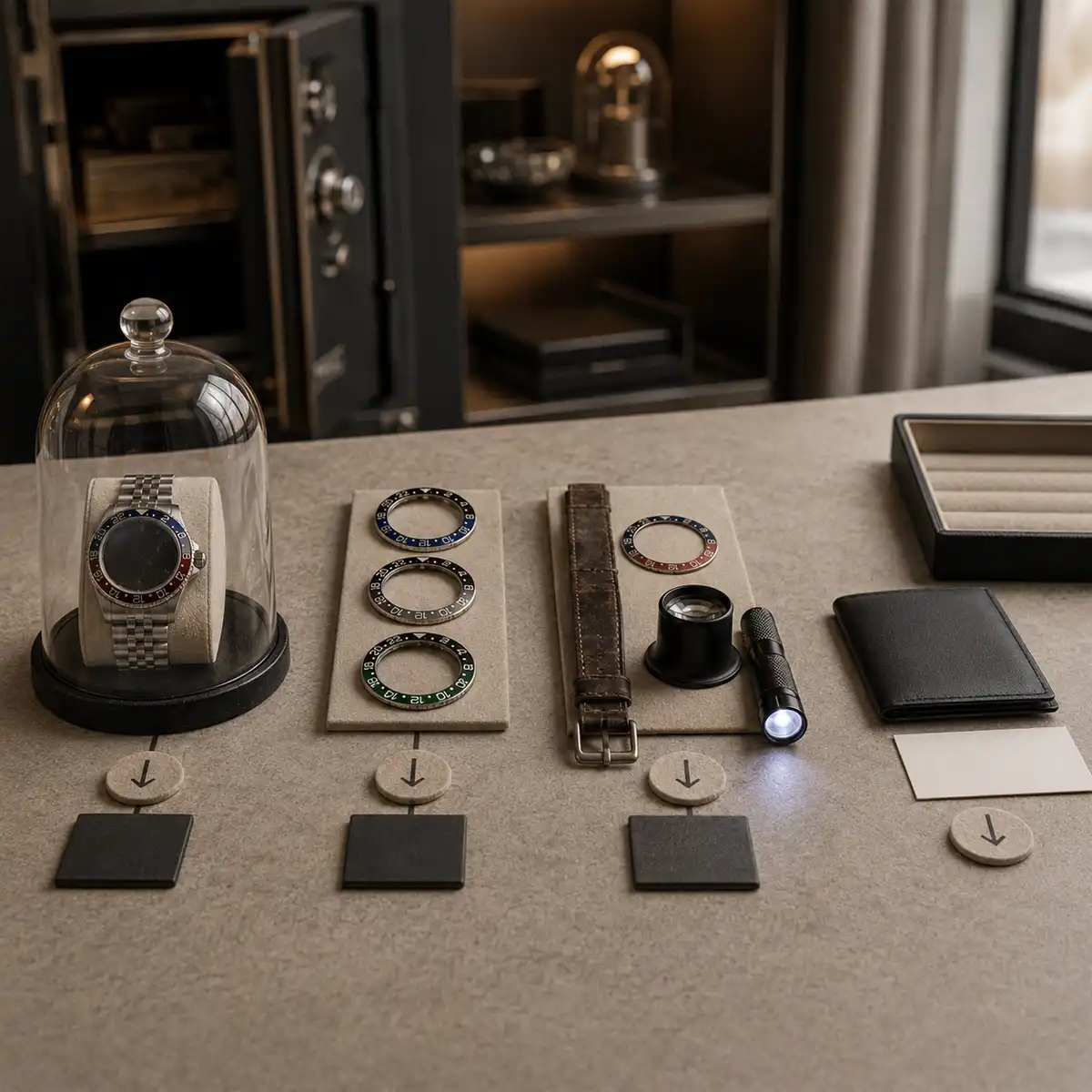
Collectable Watches
Rolex Pepsi Discontinued and What UK Buyers Do Now
Julian Hartmann·2 September 2026
Advertisement

Expert Coverage
Latest Reviews
Expert Guides
Collector Knowledge
In-depth editorial guides covering every aspect of luxury watch ownership, care, and collecting.
Advertisement
