The day you take a watch to be serviced is different from the day you bought it. The buying day is all anticipation — the weight of the case, the snap of the bracelet, the first hours of wearing something that is now yours. The...
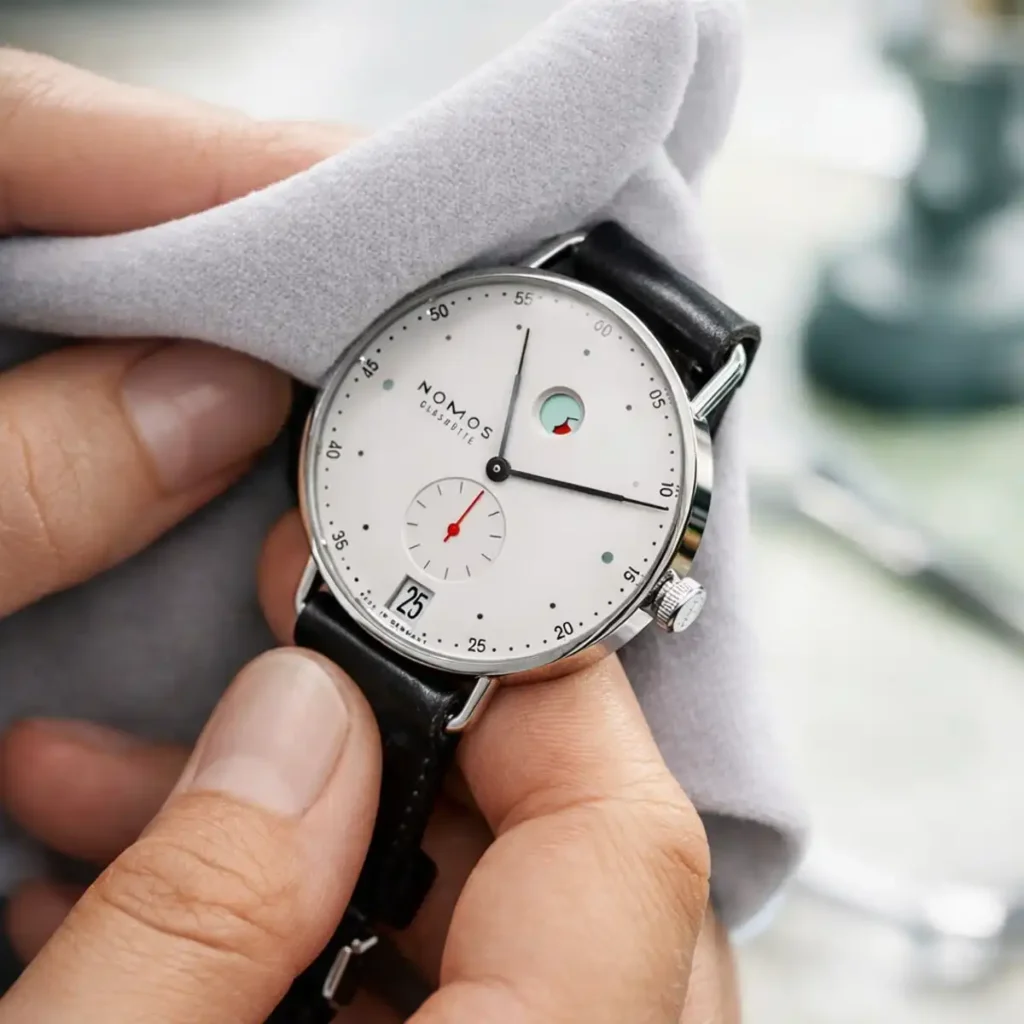
In a small Saxon town that has been making watches since 1845, a relatively young brand is producing movements that require the kind of patient, skilled hand-finishing that most Swiss manufacturers abandoned decades ago. Nomos Glashütte was founded in 1990, the year after the Berlin...
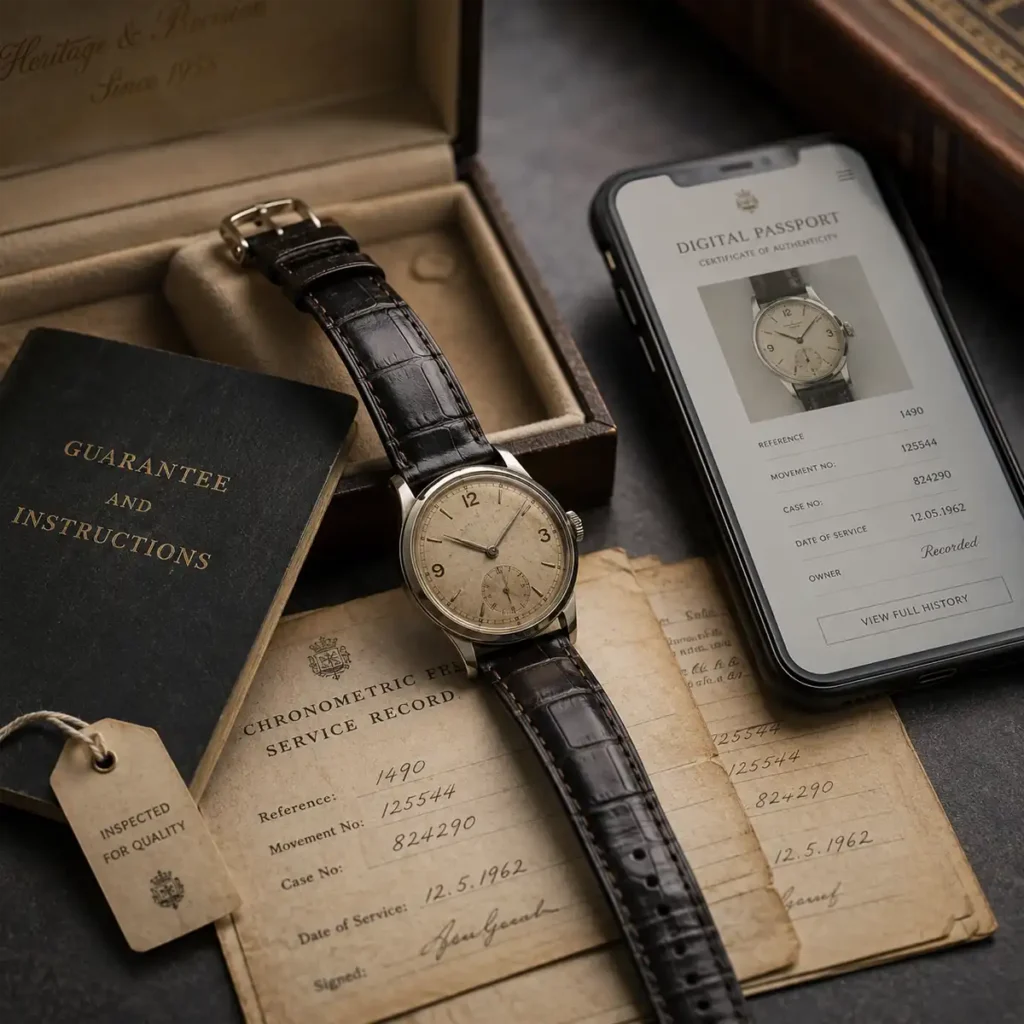
In London, provenance is integral to the watch itself, not a separate document. Collectors expect a lasting record that endures through servicing, ownership changes, and time. By 2026, this record is increasingly secured by a digital twin NFT that remains with the watch. Paper still...
Chronometer. The word appears on more watch dials than almost any other technical designation. Rolex prints it across the Submariner’s dial. Tudor uses it on the Black Bay line. Omega’s Master Chronometer standard takes it further. But what does the designation actually require, who tests...
You have found the watch you want. Now someone is offering it to you through a certified pre-owned programme at one price, and a grey market dealer is offering it for less. Before you decide which route to take, you need to understand what each...
In 1839, Antoine Norbert de Patek and François Czapek established a watchmaking partnership in Geneva. Seven years later, Patek dissolved the partnership and entered a new agreement with the Alsatian watchmaker Adrien Philippe, whose invention of the keyless winding mechanism would become the company’s first...
In 1990, a year after reunification gave East German craftsmen access to a Western market they had been separated from for 40 years, a young entrepreneur named Roland Schwertner registered a watch company in a small Saxon town. Nomos Glashütte was founded with neither the...
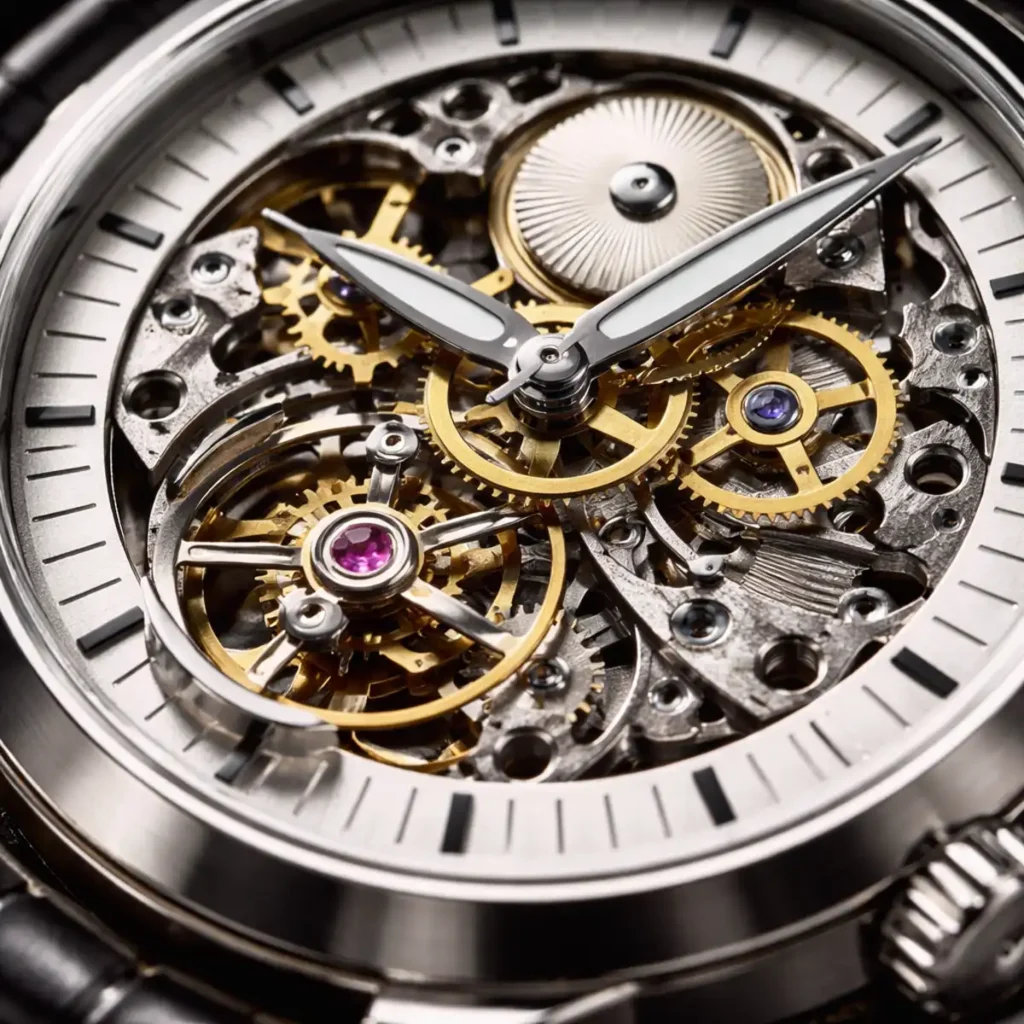
The engineering problem at the centre of every mechanical watch is the same one that occupied clockmakers from the 13th century onwards: how to release stored energy at a controlled, predictable rate over a defined period. The mechanical watch movement solves this problem through a...
Roughly 3% of Swiss watch movements produced annually receive COSC certification. The figure is worth establishing at the outset, because the word “chronometer” appears on a significant proportion of Swiss watch dials and implies a tested standard that not every wearer knows the precise content...
If you walk up South Audley Street in Mayfair, you might miss Bamford’s townhouse at first. But once inside, the mood shifts. The rooms are calm, the lighting is carefully set, and trays of matte black chronographs and colourful GMTs are brought out from hidden...