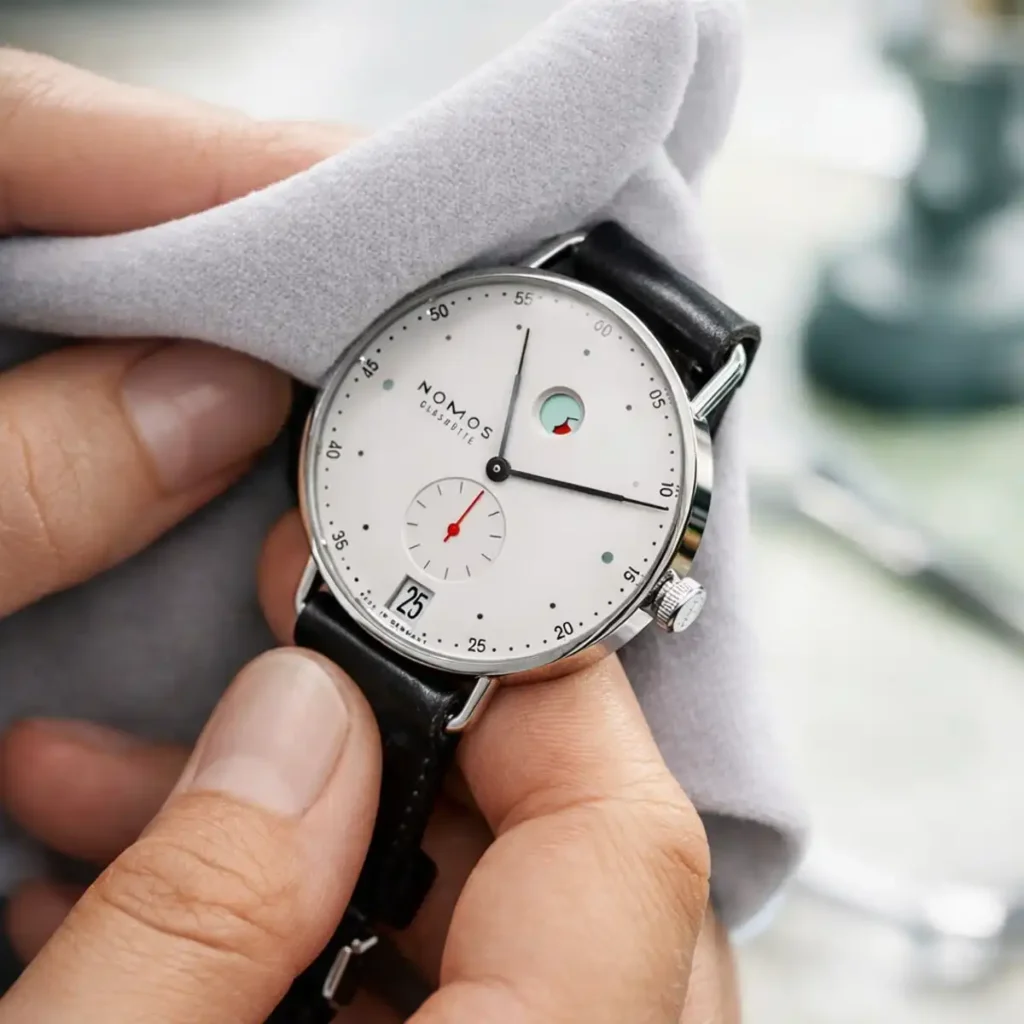
In a small Saxon town that has been making watches since 1845, a relatively young brand is producing movements that require the kind of patient, skilled hand-finishing that most Swiss manufacturers abandoned decades ago. Nomos Glashütte was founded in 1990, the year after the Berlin...
In 1990, a year after reunification gave East German craftsmen access to a Western market they had been separated from for 40 years, a young entrepreneur named Roland Schwertner registered a watch company in a small Saxon town. Nomos Glashütte was founded with neither the...
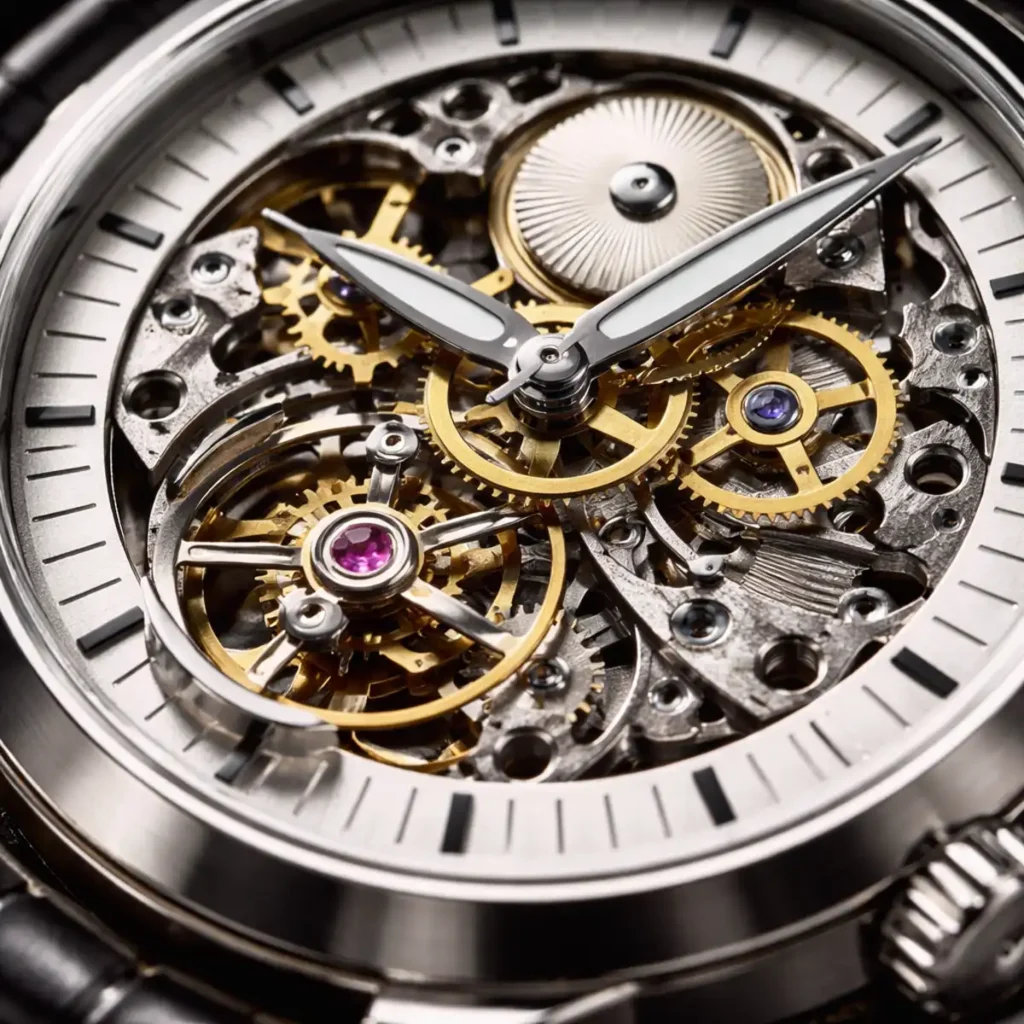
The engineering problem at the centre of every mechanical watch is the same one that occupied clockmakers from the 13th century onwards: how to release stored energy at a controlled, predictable rate over a defined period. The mechanical watch movement solves this problem through a...
Roughly 3% of Swiss watch movements produced annually receive COSC certification. The figure is worth establishing at the outset, because the word “chronometer” appears on a significant proportion of Swiss watch dials and implies a tested standard that not every wearer knows the precise content...